
As Importance of hydration for maintaining skin elasticity takes center stage, this opening passage beckons readers into a world crafted with good knowledge, ensuring a reading experience that is both absorbing and distinctly original.
Hydration is not just about quenching thirst – it’s a vital component in maintaining skin elasticity and overall skin health. By understanding how hydration impacts our skin, we can unlock the secrets to a radiant and youthful complexion.
Importance of Hydration for Maintaining Skin Elasticity
Maintaining proper hydration is crucial for keeping skin elastic and youthful. When the skin is well-hydrated, it appears plump, smooth, and supple, thanks to its ability to stretch and bounce back. Dehydration, on the other hand, can lead to dryness, flakiness, and a loss of elasticity in the skin.
How Hydration Impacts Skin Elasticity
Proper hydration is essential for maintaining the skin’s natural barrier function, which helps retain moisture and prevent water loss. When the skin lacks hydration, it becomes dry and brittle, making it less flexible and more prone to fine lines and wrinkles.
- Collagen Production: Water is essential for the production of collagen, a protein that gives skin its elasticity and firmness. Dehydration can slow down collagen synthesis, leading to sagging and dull-looking skin.
- Elastin Function: Hydration plays a key role in supporting the function of elastin, another protein responsible for the skin’s ability to stretch and recoil. Without enough water, elastin fibers can become weak and less effective.
Role of Water Intake in Promoting Skin Health
Drinking an adequate amount of water each day is essential for overall skin health and elasticity. Water helps to flush out toxins, regulate body temperature, and deliver essential nutrients to the skin cells. Without proper hydration, the skin can become dry, rough, and less resilient.
- Recommended Intake: Aim to drink at least 8 glasses of water a day to maintain proper hydration levels and support skin elasticity.
- External Hydration: In addition to drinking water, using moisturizers and hydrating skincare products can help lock in moisture and improve skin elasticity.
Wellness Programs
Wellness programs are designed to promote overall health and well-being by addressing various aspects of an individual’s physical, mental, and emotional health. These programs typically encompass a range of activities and resources aimed at improving one’s quality of life.
Components of a Holistic Wellness Program
- Physical Fitness: Incorporating exercise routines and activities to improve strength, flexibility, and cardiovascular health.
- Nutritional Support: Providing guidance on healthy eating habits and balanced diets to fuel the body with essential nutrients.
- Mental Health Services: Offering counseling, stress management techniques, and mindfulness practices to support emotional well-being.
- Preventive Care: Encouraging regular health screenings, vaccinations, and check-ups to prevent illnesses and promote early detection.
Incorporating Hydration into Wellness Programs
Hydration plays a crucial role in maintaining overall health and is often a key component of wellness programs. Participants are educated on the importance of staying hydrated and provided with strategies to ensure adequate water intake throughout the day. This can include reminders to drink water, access to clean drinking water, and tips on choosing hydrating foods and beverages.
Benefits of Participating in Wellness Programs
- Improved Physical Health: Regular exercise and proper nutrition can help reduce the risk of chronic diseases and enhance overall physical well-being.
- Enhanced Mental Well-being: Engaging in stress-reducing activities and seeking mental health support can promote emotional resilience and mental clarity.
- Community Support: Wellness programs often foster a sense of community and belonging, providing a support system for individuals on their health journey.
- Increased Productivity: By prioritizing self-care and well-being, participants may experience higher energy levels, improved focus, and increased productivity in their daily lives.
Herbal Remedies
Maintaining skin elasticity is crucial for overall skin health, and herbal remedies can play a significant role in supporting hydration and elasticity. These natural remedies are often gentle on the skin and can provide nourishment from within.
Examples of Beneficial Herbs
- Aloe Vera: Known for its hydrating properties, aloe vera can help moisturize the skin and improve elasticity.
- Calendula: This herb has anti-inflammatory and antioxidant properties that can promote skin healing and elasticity.
- Ginseng: Ginseng is believed to boost collagen production, which is essential for maintaining skin elasticity.
- Rosehip: Rich in vitamins and antioxidants, rosehip can help hydrate the skin and improve its elasticity.
Effectiveness of Herbal Remedies
Herbal remedies have been used for centuries to promote skin health, and many individuals swear by their effectiveness in maintaining skin elasticity. These natural ingredients can provide essential nutrients and hydration to the skin, helping to improve its overall appearance and elasticity.
While individual results may vary, incorporating herbal remedies into your skincare routine can be a beneficial addition to support skin elasticity.
Skin Health
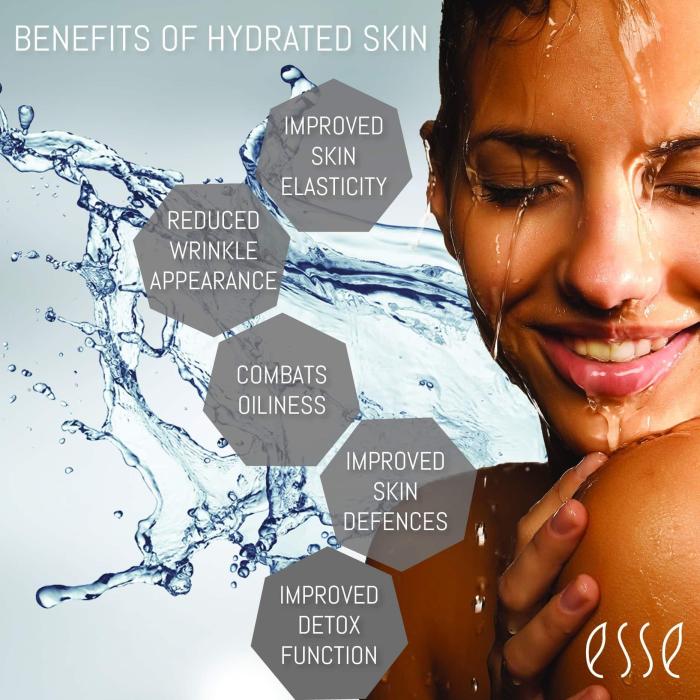
Hydration plays a crucial role in maintaining overall skin health. Proper hydration helps to keep the skin moisturized, supple, and youthful-looking.
Impact of Hydration on Different Skin Types
- For dry skin: Hydration is essential for replenishing moisture and preventing flakiness and roughness.
- For oily skin: Contrary to popular belief, oily skin also needs hydration to maintain balance and prevent excess oil production.
- For combination skin: Hydration helps to regulate oil production in the T-zone while keeping dry areas moisturized.
- For sensitive skin: Proper hydration can strengthen the skin barrier, reducing sensitivity and irritation.
Skincare Routines for Maintaining Skin Elasticity
- Use a gentle cleanser to avoid stripping the skin of natural oils.
- Incorporate a hydrating serum or moisturizer with ingredients like hyaluronic acid or glycerin.
- Drink an adequate amount of water throughout the day to hydrate from within.
- Protect your skin from UV damage by using sunscreen daily.
- Avoid hot showers and harsh exfoliants that can dehydrate the skin.
Bone Density: Importance Of Hydration For Maintaining Skin Elasticity
Maintaining healthy bone density is crucial for overall bone health and strength. Adequate hydration plays a significant role in supporting bone density, along with skin elasticity.
Connection between Hydration, Bone Density, and Skin Elasticity
Proper hydration helps in the transportation of essential nutrients to the bones, promoting bone density. Dehydration can lead to a decrease in bone mass, affecting bone strength and density. Additionally, hydrated skin is a reflection of internal hydration levels, indicating overall health, including bone density.
Adequate Hydration for Bone Health
- Drink plenty of water throughout the day to maintain hydration levels.
- Include foods rich in water content like fruits and vegetables in your diet.
- Limit the intake of dehydrating beverages like alcohol and caffeinated drinks.
- Consider incorporating bone-strengthening nutrients like calcium and vitamin D in your diet.
Tips for Maintaining Healthy Bone Density through Hydration, Importance of hydration for maintaining skin elasticity
- Carry a reusable water bottle with you to ensure regular water intake.
- Set reminders to drink water at regular intervals, especially if you have a busy schedule.
- Opt for hydrating beverages like herbal teas or infused water for added flavor.
- Monitor your urine color to gauge hydration levels – pale yellow indicates adequate hydration.
Muscle Mass
Maintaining proper muscle mass is crucial for overall strength and mobility. The relationship between hydration, muscle mass, and skin elasticity is interconnected as water plays a vital role in muscle function and recovery.
Role of Water in Muscle Function and Recovery
Water is essential for optimal muscle function as it helps transport nutrients to muscle cells and removes waste products. Adequate hydration is necessary for muscle contractions, which are essential for movements and strength. Additionally, staying hydrated can aid in reducing muscle soreness and promote faster recovery after intense workouts.
- Hydration supports muscle protein synthesis, which is crucial for muscle growth and repair.
- Water helps regulate body temperature during exercise, preventing dehydration and muscle fatigue.
- Proper hydration maintains muscle elasticity, reducing the risk of injuries during physical activities.
Remember to drink water before, during, and after exercise to maintain optimal muscle function and aid in recovery.
Strategies for Staying Hydrated to Support Muscle Health
- Carry a reusable water bottle with you throughout the day to ensure constant access to water.
- Set reminders or establish a routine for drinking water regularly, especially during workouts.
- Incorporate water-rich foods such as fruits and vegetables into your diet to supplement hydration.
- Avoid excessive consumption of dehydrating beverages like alcohol and caffeinated drinks.
- Monitor your urine color as a simple indicator of hydration levels; aim for pale yellow to clear urine.
Dental Care
Maintaining proper hydration is crucial not only for skin elasticity but also for oral health. The amount of water you consume can significantly impact the health of your teeth and gums, as well as the overall appearance and condition of your skin.
Hydration and Oral Health
Hydration plays a key role in maintaining good oral health. Water helps wash away food particles and bacteria that can lead to plaque buildup and tooth decay. Proper hydration also helps stimulate saliva production, which is essential for neutralizing acids and protecting tooth enamel.
Dehydration can result in dry mouth, which can increase the risk of oral infections, bad breath, and gum disease. Inadequate water intake can also hinder the body’s ability to repair damaged tissues in the mouth, leading to a host of oral health issues.
Importance of Water Intake
- Drink an adequate amount of water throughout the day to keep your mouth moist and prevent dry mouth.
- Limit consumption of sugary and acidic beverages that can erode tooth enamel and contribute to dental problems.
- Use fluoride toothpaste and consider using a fluoride mouthwash to help strengthen teeth and prevent cavities.
Tips for Hydration for Healthy Teeth and Skin
- Carry a reusable water bottle with you to ensure you can easily access water throughout the day.
- Eat hydrating fruits and vegetables like watermelon, cucumbers, and oranges to boost your water intake.
- Avoid excessive consumption of caffeinated and alcoholic beverages, as they can dehydrate the body.
Eye Health
Hydration plays a crucial role in maintaining eye health and skin elasticity around the eyes. Dehydration can have negative effects on vision and contribute to dry, tired-looking under-eye skin.
Impact of Hydration on Eye Health and Skin Elasticity
Proper hydration is essential for maintaining the moisture levels in the eyes, which helps prevent dryness, irritation, and discomfort. The skin around the eyes is delicate and prone to showing signs of dehydration, such as fine lines and wrinkles.
- Drink an adequate amount of water throughout the day to keep the eyes hydrated.
- Use lubricating eye drops to relieve dryness and maintain moisture.
- Avoid excessive caffeine and alcohol consumption, as they can contribute to dehydration.
Mental Clarity
Maintaining proper hydration levels not only benefits skin elasticity but also plays a crucial role in promoting mental clarity. The link between hydration, cognitive function, and skin health is significant, as water intake directly impacts overall mental well-being.
Effect on Cognitive Function
- Hydration is essential for maintaining optimal brain function. Dehydration can lead to cognitive impairments, affecting memory, focus, and decision-making abilities.
- Water is necessary for the transmission of electrical signals in the brain, supporting neurotransmitter function and overall cognitive performance.
- Research has shown that even mild dehydration can result in decreased cognitive function, highlighting the importance of staying hydrated for mental clarity.
Role in Promoting Overall Mental Well-being
- Proper hydration supports the body’s ability to regulate stress hormones, reducing feelings of anxiety and enhancing mood stability.
- Water intake helps in flushing out toxins from the body, which can contribute to improved mental health and overall well-being.
- Hydration is linked to better sleep quality, which is essential for cognitive function, emotional regulation, and overall mental clarity.
Joint Flexibility
Maintaining joint flexibility is crucial for overall mobility and quality of life. Adequate hydration plays a key role in supporting joint health and elasticity, as well as skin health.
The Importance of Hydration for Joint Flexibility
Water is essential for lubricating the joints and providing cushioning between bones. Dehydration can lead to joint stiffness, pain, and reduced flexibility. By staying hydrated, you can help prevent these issues and maintain optimal joint function.
- Drink plenty of water throughout the day to keep your joints lubricated and flexible.
- Include hydrating foods in your diet, such as fruits and vegetables with high water content.
- Avoid excessive caffeine and alcohol consumption, as they can contribute to dehydration.
Exercises to Maintain Joint Flexibility
Regular physical activity is key to keeping your joints flexible and mobile. Here are some examples of exercises that can help improve joint flexibility:
- Yoga:Practicing yoga can help increase flexibility in the joints and muscles.
- Stretching:Incorporate stretching exercises into your daily routine to improve joint range of motion.
- Low-impact cardio:Activities like swimming or cycling can help maintain joint flexibility without putting too much stress on them.
Digestive Health
Maintaining proper digestive health is crucial for overall well-being, including the health and appearance of your skin. Hydration plays a key role in supporting digestive functions and promoting skin elasticity.
Relationship between Hydration, Digestive Health, and Skin Elasticity
Proper hydration is essential for maintaining a healthy digestive system, as water helps in the digestion and absorption of nutrients. When you are well-hydrated, your digestive tract functions optimally, allowing your body to extract essential vitamins and minerals that contribute to skin health and elasticity.
- Drinking an adequate amount of water throughout the day can prevent constipation and promote regular bowel movements, which can have a direct impact on the appearance of your skin.
- Water also helps in flushing out toxins from your body, reducing the risk of skin issues like acne and inflammation that can be linked to poor digestion.
- Dehydration can lead to digestive issues such as bloating, indigestion, and discomfort, which can affect your skin’s appearance and elasticity over time.
Tips for Improving Digestive Health through Proper Hydration
Proper hydration is not just about the quantity of water you consume but also the quality. Here are some tips to enhance your digestive health and promote skin elasticity through hydration:
- Start your day with a glass of water to kickstart your digestive system and hydrate your body after a night’s rest.
- Stay hydrated throughout the day by sipping water regularly, especially between meals, to support digestion and nutrient absorption.
- Avoid excessive intake of sugary and caffeinated beverages, as they can dehydrate your body and hinder proper digestion.
- Consider incorporating hydrating foods in your diet, such as fruits and vegetables with high water content, to supplement your water intake.
- Listen to your body’s signals and drink water when you feel thirsty, as thirst is a sign of dehydration that can impact your digestive health and skin elasticity.
Detox Process
Hydration is crucial for the body’s detoxification process as water helps flush out toxins and waste products, keeping our organs functioning optimally. Adequate water intake supports the liver and kidneys in eliminating harmful substances from the body, promoting overall health and well-being.
Connection between Water Intake, Detoxing, and Skin Elasticity
- Proper hydration ensures that the skin remains hydrated and supple, aiding in the detoxification process. When the body is well-hydrated, it can efficiently remove toxins through sweat and urine, preventing skin issues and maintaining elasticity.
- Dehydration can lead to a build-up of toxins in the body, resulting in dull, dry skin and decreased elasticity. By drinking enough water, you can support your body’s natural detox mechanisms and promote healthy, radiant skin.
Detoxifying Beverages for Skin Health
- Green tea: Rich in antioxidants, green tea can help detoxify the body and improve skin health by reducing inflammation and protecting against UV damage.
- Lemon water: Lemon water is known for its detoxifying properties, aiding digestion and promoting clear skin by flushing out toxins and boosting collagen production.
- Cucumber-infused water: Cucumbers are hydrating and contain silica, a compound that supports collagen production and helps detox the skin, keeping it firm and elastic.
Blood Pressure
Maintaining proper hydration levels is crucial for regulating blood pressure and promoting healthy skin elasticity. Dehydration can have negative effects on both blood pressure and skin health, underscoring the importance of staying well hydrated.
Effects of Hydration on Blood Pressure and Skin Elasticity
Proper hydration plays a key role in regulating blood pressure by ensuring adequate blood volume and proper circulation. When the body is dehydrated, blood volume decreases, leading to a rise in blood pressure. This can strain the heart and blood vessels over time, increasing the risk of cardiovascular issues.
Additionally, dehydration can impact skin health by reducing skin elasticity, making it more prone to dryness, wrinkles, and premature aging.
Impact of Dehydration on Blood Pressure and Skin Health
Dehydration can cause blood pressure to spike as the body tries to compensate for the lack of fluid by constricting blood vessels. This can result in higher blood pressure readings and potentially increase the risk of heart problems. In terms of skin health, dehydration can lead to a lack of moisture and nutrients reaching the skin cells, causing the skin to lose its elasticity and appear dull and dry.
Strategies for Maintaining Optimal Blood Pressure Levels through Hydration
- Drink an adequate amount of water throughout the day to stay hydrated and support healthy blood pressure levels.
- Monitor your water intake and ensure you are meeting your daily hydration needs based on your activity level and environment.
- Incorporate hydrating foods such as fruits and vegetables into your diet to boost hydration levels.
- Limit the consumption of dehydrating beverages like alcohol and caffeinated drinks, which can contribute to dehydration.
- Stay mindful of signs of dehydration such as dark urine, dry mouth, and fatigue, and take steps to rehydrate promptly.
Heart Rate
Maintaining proper hydration levels is not only crucial for skin elasticity but also plays a significant role in heart health. The relationship between hydration, heart rate, and skin elasticity is closely intertwined, as dehydration can lead to increased heart rate and negatively impact skin appearance.
Water Intake and Heart Health
Proper water intake is essential for maintaining a healthy heart. Dehydration can cause the heart to work harder to pump blood throughout the body, leading to an increase in heart rate. By staying hydrated, you can support your heart’s function and help regulate your heart rate.
- Drink an adequate amount of water throughout the day to ensure proper hydration levels.
- Monitor your water intake, especially during hot weather or physical activity, to prevent dehydration and support heart health.
- Incorporate hydrating foods and beverages into your diet to boost overall hydration levels.
- Consult with a healthcare professional to determine the appropriate water intake for your individual needs.
Health Screenings
Maintaining proper hydration levels is crucial when preparing for health screenings as it can significantly impact the results of various tests. Hydration plays a key role in ensuring accurate readings and providing a clear picture of your overall health.
Role of Hydration in Health Screenings
- Hydration helps to improve blood flow, making it easier to draw blood for tests like cholesterol and glucose levels.
- Proper hydration ensures accurate urine samples for tests such as kidney function and urinary tract infections.
- Well-hydrated individuals have better blood volume, leading to more accurate blood pressure readings.
Impact of Hydration Levels on Test Accuracy
- Dehydration can result in false high readings in tests like blood sugar levels, leading to misdiagnosis and unnecessary treatments.
- Inadequate hydration can dilute urine samples, affecting the concentration of substances being tested for in urine analysis.
- Low hydration levels can cause fluctuations in blood pressure readings, making it challenging to assess cardiovascular health accurately.
Importance of Being Well-Hydrated for Health Tests
- Being well-hydrated ensures that your body is functioning optimally, providing more reliable results in various health screenings.
- Hydration helps to maintain the balance of electrolytes in your body, influencing the outcomes of blood tests and overall health assessments.
- Proper hydration before health screenings can prevent the need for repeat tests due to inaccurate results caused by dehydration.
Vaccination Programs
Hydration plays a crucial role in the effectiveness of vaccination programs. Adequate water intake can significantly impact the immune response to vaccines, ensuring that your body can produce the necessary antibodies to fight off infections.
Role of Hydration in Supporting Immune Response
Staying hydrated before and after receiving a vaccine is essential for optimal results. Water helps in the transportation of nutrients and oxygen throughout the body, which is crucial for the proper functioning of the immune system. Dehydration can impair the immune response and reduce the effectiveness of vaccines.
Here are some tips to stay hydrated before and after vaccination:
- Drink plenty of water in the days leading up to your vaccination appointment.
- Avoid excessive caffeine or alcohol consumption, as they can dehydrate the body.
- After receiving the vaccine, continue to drink water throughout the day to support your immune system.
- Monitor your hydration by checking the color of your urine – clear or light yellow indicates proper hydration.
Healthy Habits
Maintaining proper hydration levels is a crucial component of a healthy lifestyle. In addition to hydration, there are other healthy habits that contribute to overall well-being. Let’s explore the significance of hydration as part of healthy lifestyle habits and discuss how it impacts our health.
Benefits of Hydration for Overall Well-being
Proper hydration is essential for various bodily functions and can significantly impact our overall health. Here are some benefits of staying hydrated:
- Improves physical performance: Drinking an adequate amount of water can enhance physical performance by preventing dehydration and maintaining energy levels.
- Boosts skin health: Hydration plays a key role in maintaining skin elasticity, preventing dryness, and promoting a healthy complexion.
- Supports digestion: Water aids in digestion by helping the body break down food and absorb nutrients effectively.
- Regulates body temperature: Staying hydrated helps the body regulate its temperature and prevent overheating.
Other Healthy Habits
In addition to staying hydrated, incorporating the following healthy habits into your routine can further enhance your overall well-being:
- Eating a balanced diet rich in fruits, vegetables, lean proteins, and whole grains.
- Engaging in regular physical activity to maintain a healthy weight and promote cardiovascular health.
- Getting an adequate amount of sleep each night to support overall health and cognitive function.
- Managing stress through relaxation techniques, mindfulness, or hobbies that bring joy.
Balanced Hormones
Hydration plays a crucial role in maintaining balanced hormones, which in turn affects skin elasticity. When our bodies are properly hydrated, it helps regulate hormone production and function, leading to healthier skin.
Connection between Hydration, Hormone Balance, and Skin Elasticity
Water intake is directly linked to hormonal health and skin appearance. Dehydration can disrupt the delicate balance of hormones in our body, leading to various skin issues such as dryness, dullness, and loss of elasticity. By staying hydrated, we can support hormone balance and promote vibrant, youthful skin.
Tips for Promoting Hormonal Balance Through Adequate Hydration
- Drink plenty of water throughout the day to ensure proper hydration levels.
- Avoid excessive consumption of dehydrating beverages like alcohol and caffeinated drinks.
- Eat water-rich foods such as fruits and vegetables to supplement your water intake.
- Consider incorporating herbal teas or infused water for added hydration benefits.
- Monitor your urine color to ensure you are adequately hydrated – pale yellow is a good indicator of proper hydration.
Health Coaching
Health coaches play a crucial role in emphasizing the importance of hydration for overall health and well-being. They work closely with their clients to promote healthy habits, including adequate hydration, which is essential for maintaining optimal bodily functions.
Role of Health Coaching in Promoting Hydration
Health coaches educate their clients on the benefits of staying hydrated and the impact it has on various aspects of their health. They emphasize the importance of drinking enough water throughout the day to support digestion, circulation, skin health, and overall wellness.
By working with health coaches, individuals can receive personalized guidance on how to increase their daily water intake and make hydration a priority in their daily routine. Coaches may also help clients identify barriers to staying hydrated and develop strategies to overcome them.
Examples of Hydration Goals Set by Health Coaches
- Drink at least 8-10 glasses of water per day.
- Include hydrating foods such as fruits and vegetables in your diet.
- Monitor urine color to ensure adequate hydration levels.
- Create a hydration schedule to remind yourself to drink water regularly.
- Aim to limit intake of dehydrating beverages like caffeinated drinks and alcohol.
Fitness Goals
Maintaining proper hydration is crucial when it comes to achieving fitness goals. Hydration plays a significant role in supporting workout performance, muscle recovery, and overall skin health.
Impact of Water Intake on Workout Performance and Skin Health
Staying hydrated during workouts helps maintain optimal body temperature, lubricates joints, and delivers nutrients to cells efficiently. Dehydration can lead to fatigue, muscle cramps, and decreased endurance, hindering your ability to perform at your best. Additionally, adequate water intake promotes skin elasticity and helps prevent dryness, enhancing the overall appearance and health of your skin.
Tips for Staying Hydrated to Optimize Fitness Results
- Carry a reusable water bottle with you throughout the day to track your water intake.
- Drink water before, during, and after exercise to replenish fluids lost through sweat.
- Include hydrating foods in your diet such as fruits, vegetables, and soups.
- Monitor the color of your urine – pale yellow indicates proper hydration.
- Avoid excessive consumption of caffeine and alcohol, as they can contribute to dehydration.
Diet Planning
When it comes to maintaining skin elasticity, diet planning plays a crucial role. Hydration is a key component of any skincare routine, and incorporating water-rich foods into your diet can greatly impact your skin’s overall health.
Role of Hydration in Diet Planning for Skin Elasticity
Hydration is essential for skin elasticity as water helps to plump up the skin cells, reducing the appearance of fine lines and wrinkles. When planning your diet, it is important to focus on including foods that are not only hydrating but also nourishing for your skin.
- Include plenty of fruits and vegetables in your diet, as they are high in water content and packed with essential vitamins and minerals that promote skin health.
- Opt for water-rich foods like cucumbers, watermelon, and oranges to boost your hydration levels and support skin elasticity.
- Drink an adequate amount of water throughout the day to keep your skin hydrated from the inside out.
Health Supplements
When it comes to maintaining skin elasticity, hydration supplements play a crucial role in supporting overall skin health. These supplements can provide the necessary nutrients to keep the skin hydrated and elastic, promoting a youthful appearance.
Benefits of Hydration Supplements for Maintaining Skin Elasticity
- Hydration supplements help to replenish lost moisture in the skin, preventing dryness and dullness.
- They support the skin’s natural barrier function, protecting it from environmental stressors that can contribute to premature aging.
- By improving skin hydration, these supplements can enhance skin elasticity, reducing the appearance of fine lines and wrinkles.
Role of Supplements in Supporting Hydration and Skin Health
- Supplements containing ingredients like hyaluronic acid, collagen, and vitamins C and E can help maintain skin hydration and elasticity.
- These supplements work from within to nourish the skin cells and promote a healthy skin barrier.
- Regular intake of hydration supplements can complement a skincare routine and enhance the effectiveness of topical products.
Examples of Hydration Supplements for Skin Elasticity
- Collagen Peptides:These supplements promote skin elasticity and hydration by supporting collagen production in the body.
- Hyaluronic Acid:Known for its ability to retain moisture, hyaluronic acid supplements can keep the skin plump and hydrated.
- Vitamin C:A powerful antioxidant, vitamin C supplements can help brighten the skin and protect it from damage caused by free radicals.
Breathing Techniques
Proper breathing techniques play a crucial role in enhancing hydration levels and maintaining skin elasticity. By focusing on our breath, we can improve the body’s ability to absorb and retain moisture, leading to healthier and more supple skin.
Connection Between Breathing, Hydration, and Skin Elasticity
When we breathe deeply and mindfully, we oxygenate our cells more effectively, helping to improve circulation and nutrient delivery throughout the body. This increased circulation can enhance the skin’s ability to retain moisture, promoting hydration and elasticity.
Breathing Exercises for Better Hydration and Skin Health
- Diaphragmatic Breathing: This technique involves breathing deeply into the abdomen, allowing the diaphragm to fully expand. This type of breathing can help relax the body, reduce stress, and improve oxygen flow, which in turn supports hydration levels and skin health.
- Alternate Nostril Breathing (Nadi Shodhana): By alternating between breathing through the left and right nostrils, this practice helps balance the body’s energy flow and promote optimal hydration levels. It can also have a calming effect on the mind and body, supporting overall skin health.
- Deep Belly Breathing: Focusing on breathing deeply into the belly, rather than shallow chest breathing, can enhance relaxation, reduce tension, and support the body’s hydration processes. This technique can be particularly beneficial for improving skin elasticity and overall well-being.
Disease Prevention
Maintaining proper hydration levels is crucial for disease prevention as it plays a significant role in supporting immune function and overall health. Adequate water intake can help mitigate the risk of various diseases and promote overall well-being.
Role of Hydration in Disease Prevention
- Proper hydration supports the body’s immune system, helping it to effectively fight off infections and illnesses.
- Water intake is essential for skin health, acting as a natural barrier against pathogens and toxins that can cause diseases.
- Hydration plays a key role in preventing conditions such as urinary tract infections, kidney stones, and constipation.
Pain Management
Hydration plays a crucial role in managing chronic pain conditions by supporting overall health and well-being.
Hydration and Inflammation
Proper water intake is essential for reducing inflammation in the body, which can contribute to chronic pain conditions. Dehydration can lead to increased inflammation, exacerbating pain levels and discomfort.
- Staying hydrated helps flush out toxins and waste products from the body, which can contribute to inflammation and pain.
- Water supports the function of the immune system, helping to reduce inflammation and promote healing.
- Drinking enough water can also improve circulation, delivering essential nutrients to tissues and promoting pain relief.
Hydration and Skin Health
Healthy skin is essential for managing pain conditions, as the skin plays a vital role in protecting the body and providing sensory feedback.
- Proper hydration supports skin elasticity and integrity, reducing the risk of skin-related pain conditions.
- Dehydrated skin is more prone to irritation, which can worsen pain symptoms in conditions such as eczema or psoriasis.
- Drinking enough water helps maintain a healthy skin barrier, protecting against external factors that can trigger pain responses.
Tips for Natural Pain Management
Incorporating hydration into your pain management strategy can help alleviate symptoms and improve overall well-being.
- Set a daily water intake goal based on your body weight and activity level to ensure adequate hydration.
- Include hydrating foods in your diet, such as fruits and vegetables with high water content, to supplement your fluid intake.
- Carry a reusable water bottle with you throughout the day to remind yourself to drink water regularly.
- Consider adding electrolytes to your water, especially if you engage in physical activities that lead to increased sweating.
- Listen to your body’s signals of thirst and prioritize hydration as a natural and effective way to manage pain.
Holistic Treatments
Holistic treatments focus on treating the whole person, including physical, mental, and emotional well-being. Hydration plays a crucial role in maintaining overall health and vitality, making it an essential component of holistic practices.
Importance of Hydration in Holistic Health
- Hydration helps flush out toxins from the body, promoting detoxification and overall well-being.
- Proper hydration supports the body’s natural detox process, aiding in the removal of waste and impurities.
- Drinking an adequate amount of water can improve digestion, support healthy skin, and boost energy levels.
Holistic Treatments Emphasizing Hydration
- Hydrating facials: These treatments use hydrating masks and serums to nourish the skin and enhance elasticity.
- Detox water therapies: Infusing water with herbs, fruits, and vegetables can help cleanse the body and improve hydration levels.
- Aromatherapy hydration sessions: Essential oils combined with water therapy can promote relaxation and skin rejuvenation.
Mental Resilience
Maintaining mental resilience is crucial for overall well-being and can significantly impact our skin health. The connection between hydration, mental resilience, and skin elasticity is often overlooked but plays a vital role in our daily lives.
Benefits of Hydration for Mental Resilience and Skin Health
- Proper hydration helps regulate mood and cognitive function, leading to improved mental resilience.
- Dehydration can cause fatigue, irritability, and difficulty concentrating, affecting our ability to cope with stress and challenges.
- By staying hydrated, we support the body’s natural detoxification process, which can positively impact mental clarity and emotional balance.
Tips for Enhancing Mental Resilience through Hydration
“Drink at least 8 glasses of water a day to maintain optimal hydration levels.”
- Carry a reusable water bottle with you throughout the day to remind yourself to drink water regularly.
- Set reminders on your phone or computer to take water breaks and stay hydrated, especially during busy or stressful periods.
- Incorporate hydrating foods such as fruits and vegetables into your diet to supplement your water intake.
Last Recap
In conclusion, the key to achieving skin elasticity lies in the simple act of staying hydrated. By prioritizing water intake and understanding the significance of hydration, we pave the way for healthy, glowing skin that defies age and environmental stressors.
Detailed FAQs
How does hydration impact skin elasticity?
Hydration plays a crucial role in maintaining skin elasticity by keeping the skin cells plump and promoting collagen production.
Can dehydration affect skin texture?
Yes, dehydration can lead to dry, dull skin with decreased elasticity, making wrinkles and fine lines more prominent.
What are some herbs that support skin health and hydration?
Herbs like aloe vera, calendula, and green tea are known for their hydrating and skin-soothing properties.


