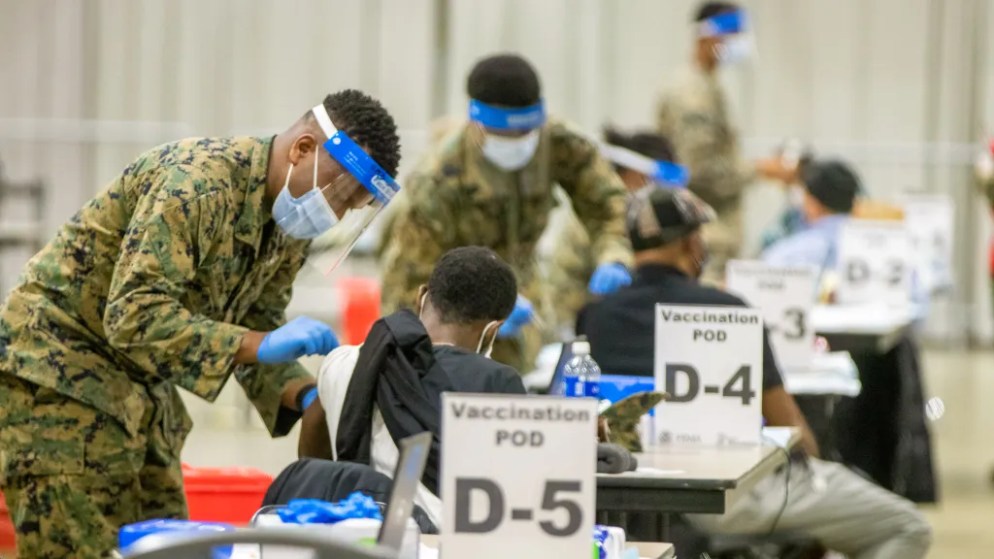
How to support vaccination clinics in underserved areas sets the stage for this enthralling narrative, offering readers a glimpse into a story that is rich in detail with casual formal language style and brimming with originality from the outset.
Vaccination clinics play a crucial role in public health, especially in underserved areas where access to healthcare services is limited. This guide will explore effective strategies, resources, and barriers to ensure successful vaccination programs in these communities.
Understanding the Importance of Vaccination Clinics in Underserved Areas: How To Support Vaccination Clinics In Underserved Areas
Vaccination clinics play a crucial role in improving public health by providing essential immunization services to individuals in underserved areas. These clinics help protect communities from a wide range of preventable diseases and contribute to overall disease control and prevention efforts.
Significance of Vaccination Clinics
- Vaccination clinics ensure that individuals have access to life-saving vaccines, regardless of their socioeconomic status or geographical location.
- By offering immunization services in underserved areas, vaccination clinics help bridge the gap in healthcare disparities and promote health equity.
- These clinics play a key role in achieving herd immunity, which is essential for protecting vulnerable populations who may not be able to receive vaccines.
Challenges Faced by Underserved Communities
- Underserved communities often face barriers such as limited access to healthcare facilities, lack of transportation, and financial constraints, making it difficult for them to receive vaccinations.
- Language barriers, cultural beliefs, and misinformation about vaccines can also hinder vaccination uptake in underserved areas.
- Inadequate healthcare infrastructure and resources in these communities further exacerbate the challenges of accessing vaccination services.
Impact of Vaccination Clinics on Disease Prevention
- Vaccination clinics play a crucial role in preventing the spread of infectious diseases by ensuring high vaccination coverage in communities.
- Through routine immunization programs, these clinics help reduce the incidence of vaccine-preventable diseases and protect individuals from serious health complications.
- By promoting vaccination awareness and education, vaccination clinics empower communities to make informed decisions about their health and the health of those around them.
Strategies to Support Vaccination Clinics in Underserved Areas
Increasing awareness about vaccination clinics in underserved communities is crucial for ensuring higher vaccination rates and better public health outcomes. By exploring partnerships with local organizations, we can facilitate access to these clinics and provide support where needed. Additionally, the role of mobile vaccination units is essential in reaching remote underserved areas and ensuring that everyone has access to vaccines.
Ways to Increase Awareness about Vaccination Clinics
One effective way to increase awareness about vaccination clinics in underserved areas is through community outreach programs. These programs can involve door-to-door campaigns, flyers distribution, and informational sessions in community centers. By educating residents about the importance of vaccinations and the services offered at these clinics, we can help dispel myths and misinformation surrounding vaccines.
Partnerships with Local Organizations
Collaborating with local organizations such as churches, schools, and community centers can help increase clinic access in underserved areas. These partnerships can provide additional resources, volunteers, and venues for hosting vaccination clinics. By working together, we can ensure that vaccines are easily accessible to all members of the community.
Role of Mobile Vaccination Units
Mobile vaccination units play a crucial role in reaching remote underserved areas where access to healthcare facilities is limited. These units can travel to different locations, set up temporary clinics, and provide vaccines to residents who may not otherwise have access to them.
By bringing vaccines directly to the community, mobile units help bridge the gap in healthcare disparities and improve vaccination coverage rates.
Providing Resources for Vaccination Clinics in Underserved Areas
In order to ensure the sustainability and effectiveness of vaccination programs in underserved areas, it is crucial to identify potential funding sources, offer training opportunities for healthcare professionals, and engage the community in supporting clinic operations.
Identifying Potential Funding Sources
- Government Grants: Seek out grants from federal, state, and local government agencies that specifically support healthcare initiatives, including vaccination programs.
- Nonprofit Organizations: Collaborate with nonprofit organizations that focus on public health and community development to secure funding for vaccination clinics.
- Corporate Sponsorship: Reach out to companies and businesses in the area for potential sponsorship or donations to support vaccination efforts.
Training Opportunities for Healthcare Professionals
- Continuing Education Programs: Offer healthcare professionals working in vaccination clinics access to continuing education programs to enhance their skills and stay updated on best practices.
- Hands-on Workshops: Organize hands-on workshops and training sessions to provide practical experience and knowledge on administering vaccines and managing clinic operations.
- Mentorship Programs: Establish mentorship programs where experienced healthcare professionals can guide and support those new to working in vaccination clinics.
Importance of Community Engagement
Community engagement plays a vital role in supporting the operations of vaccination clinics in underserved areas by fostering trust, increasing awareness, and encouraging participation.
- Community Outreach Programs: Develop outreach programs to educate the community about the importance of vaccinations and address any concerns or misconceptions.
- Volunteer Opportunities: Recruit volunteers from the community to assist with clinic activities, such as registration, monitoring patients, and providing information.
- Feedback Mechanisms: Establish feedback mechanisms to gather input from community members on their experiences with the vaccination clinics and use this information to improve services.
Overcoming Barriers to Vaccination in Underserved Areas
In underserved areas, there are various barriers that hinder vaccine uptake, including cultural, language, educational, and socioeconomic factors. Overcoming these barriers is crucial to improve vaccination rates and protect public health.
Analyze cultural or language barriers that may affect vaccine uptake
Cultural beliefs and language barriers can significantly impact vaccine acceptance in underserved communities. Misconceptions about vaccines, lack of trust in healthcare systems, and language differences can lead to hesitancy or refusal to vaccinate. It is essential to address these cultural and language barriers through culturally sensitive communication, community engagement, and language-appropriate educational materials.
Explore the role of education in dispelling myths and misinformation about vaccines
Education plays a vital role in dispelling myths and misinformation surrounding vaccines. Providing accurate information about the safety and efficacy of vaccines can help address vaccine hesitancy in underserved areas. Health literacy programs, community workshops, and collaborations with local leaders can help spread correct information and combat false beliefs about vaccination.
Discuss the impact of socioeconomic factors on vaccination rates in underserved communities, How to support vaccination clinics in underserved areas
Socioeconomic factors such as poverty, lack of access to healthcare, and transportation barriers can significantly affect vaccination rates in underserved communities. Low-income families may struggle to afford vaccines or face challenges in accessing vaccination clinics. Addressing these socioeconomic barriers requires implementing affordable vaccination programs, mobile clinics, transportation assistance, and outreach efforts to reach marginalized populations.
Promoting Health Equity Through Vaccination Programs
Vaccination programs play a crucial role in promoting health equity by ensuring that all individuals, regardless of their background or socioeconomic status, have equal access to life-saving vaccines. By providing equitable access to vaccines, we can reduce health disparities and improve overall public health outcomes.
Tailored Vaccination Outreach Programs
Tailored vaccination outreach programs are designed to specifically target underserved populations, such as low-income communities, minority groups, and rural areas. These programs take into account cultural, linguistic, and logistical barriers that may prevent individuals from accessing vaccines. By tailoring outreach efforts to meet the unique needs of these populations, we can increase vaccination rates and ensure that no one is left behind.
- Offering mobile vaccination clinics in underserved areas to bring vaccines directly to communities that may have limited access to healthcare facilities.
- Partnering with community organizations and trusted leaders to promote vaccine acceptance and address misinformation within specific populations.
- Providing incentives, such as free transportation or childcare services, to make it easier for individuals in underserved areas to get vaccinated.
Long-Term Effects of Improving Vaccination Rates
Improving vaccination rates in underserved areas can have significant long-term effects on public health outcomes. By increasing immunity within these communities, we can reduce the spread of vaccine-preventable diseases and ultimately decrease the burden on healthcare systems. Additionally, higher vaccination rates can lead to lower rates of illness, hospitalizations, and deaths, benefitting both individuals and society as a whole.
Ending Remarks
In conclusion, supporting vaccination clinics in underserved areas is not just about administering vaccines but also about fostering community engagement, overcoming barriers, and promoting health equity. By implementing the strategies discussed, we can work towards a healthier and more equitable future for all.
Clarifying Questions
How can I get involved in supporting vaccination clinics in underserved areas?
You can volunteer at clinics, donate resources, or help raise awareness about the importance of vaccinations in these communities.
What are some common challenges faced by vaccination clinics in underserved areas?
Challenges include limited funding, lack of trained healthcare professionals, and cultural barriers that affect vaccine uptake.
How can partnerships with local organizations benefit vaccination clinics?
Partnerships can help expand outreach, access additional resources, and improve community trust in vaccination services.


