
Benefits of a detox diet for cleansing toxins sets the stage for this enthralling narrative, offering readers a glimpse into a story that is rich in detail with casual formal language style and brimming with originality from the outset.
Detox diets have gained popularity for their ability to eliminate toxins, boost energy levels, and enhance overall well-being. Let’s delve into how these diets work their magic and the impact they can have on our health.
Benefits of a detox diet for cleansing toxins
Detox diets play a crucial role in eliminating toxins from the body, promoting overall health and well-being. By focusing on nutrient-dense foods and avoiding processed items, detox diets help the body rid itself of harmful substances and improve its natural detoxification processes.
Specific Foods for Detoxing
- Leafy greens such as kale, spinach, and arugula are rich in antioxidants and chlorophyll, which help cleanse the liver and support detoxification.
- Lemons and other citrus fruits are high in vitamin C, a powerful antioxidant that aids in flushing out toxins and boosting the immune system.
- Garlic contains sulfur compounds that support the liver in detoxifying harmful substances and has antibacterial properties.
Impact on Overall Health
Detox diets not only cleanse the body of toxins but also have a positive impact on overall health. By reducing inflammation, improving digestion, and boosting the immune system, detox diets can help prevent chronic diseases and promote longevity.
Improved Energy Levels and Vitality
- Eliminating toxins allows the body to function more efficiently, leading to increased energy levels and vitality.
- By reducing the burden on the liver and other detox organs, detox diets can enhance mental clarity and focus.
Wellness Programs
Wellness programs are designed to promote holistic health and well-being by incorporating various components that focus on physical, mental, and emotional wellness.
Components of a Comprehensive Wellness Program
- Regular exercise routines tailored to individual needs and fitness levels.
- Nutrition guidance and meal planning to support a balanced diet.
- Mental health support through meditation, mindfulness practices, or counseling services.
- Health screenings and preventive care to monitor and manage overall health.
- Stress management techniques to cope with daily pressures and improve resilience.
Importance of Incorporating Wellness Programs in Daily Routines
Integrating wellness programs into daily routines helps individuals establish healthy habits and prioritize self-care, leading to long-term benefits for overall well-being.
How Wellness Programs Contribute to a Healthier Lifestyle
- Encouraging regular physical activity and exercise to improve cardiovascular health and strengthen muscles.
- Promoting balanced nutrition choices that provide essential nutrients for energy and vitality.
- Enhancing mental well-being through mindfulness practices that reduce stress and improve cognitive function.
- Fostering a sense of community and support through group activities and social connections.
Benefits of Participating in Wellness Programs for Mental and Physical Well-being
- Increased energy levels and productivity in daily tasks.
- Improved mood and reduced symptoms of anxiety or depression.
- Enhanced physical fitness and flexibility, reducing the risk of chronic diseases.
- Better quality of sleep and relaxation, leading to overall better health outcomes.
Herbal Remedies
Herbal remedies play a crucial role in detoxifying the body by supporting the natural detoxification processes. These natural plant-based remedies can help cleanse toxins from the body and promote overall health and wellness.
Popular Herbs for Cleansing Toxins
- Dandelion: Known for its diuretic properties, dandelion helps in flushing out toxins through urine.
- Milk Thistle: Supports liver function and aids in detoxifying harmful substances from the body.
- Turmeric: Contains antioxidants that help reduce inflammation and support detoxification.
- Nettle: Acts as a natural diuretic and helps eliminate toxins from the body.
Benefits of Herbal Remedies for Overall Health
- Support liver function: Many herbs like milk thistle and burdock root support the liver in detoxifying the body.
- Reduce inflammation: Turmeric and ginger are known for their anti-inflammatory properties, which can benefit overall health.
- Boost immune system: Herbs like echinacea and garlic can help strengthen the immune system, promoting overall wellness.
Supporting the Body’s Natural Detoxification Processes
Herbal remedies work by enhancing the body’s natural detoxification mechanisms, such as supporting liver function, aiding in digestion, and promoting the elimination of toxins through urine and sweat. By incorporating these herbs into your diet or as supplements, you can help facilitate the body’s detox processes and maintain optimal health and wellness.
Skin Health
When it comes to skin health, a detox diet can play a significant role in improving the appearance and overall condition of your skin. By eliminating toxins from your body, you can experience clearer, brighter, and more radiant skin.
Impact of Detox Diet on Skin Health
A detox diet helps remove harmful toxins from your body that can contribute to skin issues such as acne, dullness, and inflammation. By cleansing your system, you can promote a healthier complexion and reduce the frequency of breakouts.
Relationship Between Toxins and Skin Issues
Toxins in the body can lead to imbalances that manifest as various skin conditions. By detoxifying your body through a healthy diet and lifestyle, you can address the root cause of these issues and achieve clearer skin.
Skincare Tips to Complement a Detox Diet
- Stay hydrated by drinking plenty of water to flush out toxins and keep your skin hydrated.
- Include antioxidant-rich foods like berries, green tea, and leafy greens to protect your skin from damage.
- Avoid processed foods, sugar, and dairy that can trigger inflammation and worsen skin conditions.
- Use natural skincare products free of harsh chemicals to support your skin’s health during the detoxification process.
Nutrients for Healthy Skin through Detoxification
- Vitamin C: Helps boost collagen production for skin elasticity and repair.
- Omega-3 fatty acids: Reduce inflammation and promote a supple, glowing complexion.
- Zinc: Supports skin healing and prevents acne by regulating oil production.
- Vitamin E: Protects the skin from free radicals and UV damage for a youthful appearance.
Bone Density
A detox diet can play a significant role in influencing bone density and strength, ultimately contributing to improved bone health. By eliminating toxins and promoting the absorption of essential nutrients, a detox program can help maintain optimal bone density levels.
Dietary Recommendations for Bone Density Support
During a detox program, it is essential to focus on incorporating foods that support bone health and density. Some dietary recommendations to consider include:
- Consuming calcium-rich foods such as dairy products, leafy greens, and fortified plant-based milks.
- Including vitamin D sources like fatty fish, egg yolks, and fortified cereals to enhance calcium absorption.
- Incorporating magnesium-rich foods such as nuts, seeds, whole grains, and legumes to support bone strength.
- Opting for foods high in vitamin K, like kale, broccoli, and Brussels sprouts, to aid in bone mineralization.
Toxin Buildup and Bone Health
Excessive toxin buildup in the body can negatively impact bone health and lead to issues like bone loss and decreased bone density. Toxins can interfere with the absorption of essential minerals needed for bone strength, ultimately affecting overall bone health.
By engaging in a detox program, individuals can help reduce toxin accumulation and support optimal bone density levels.
Muscle Mass
Detox diets play a crucial role in preserving muscle mass by helping the body eliminate toxins that can hinder muscle function and growth. Toxins can disrupt hormone balance, increase inflammation, and affect nutrient absorption, all of which can impact muscle health.
Detoxifying Dietary Strategies
- Avoid processed foods high in sugar, trans fats, and artificial ingredients that can contribute to toxin buildup.
- Incorporate antioxidant-rich foods such as berries, leafy greens, and nuts to support the body’s natural detoxification processes.
- Stay hydrated by drinking plenty of water to flush out toxins and prevent dehydration, which can impact muscle performance.
Exercise and Supplements for Muscle Health
- Include strength training exercises to build and maintain muscle mass while detoxifying the body.
- Consider adding protein supplements like whey protein or plant-based options to support muscle recovery and growth during a detox program.
- Incorporate herbal supplements like milk thistle or dandelion root to enhance liver function and aid in detoxification.
Dental Care
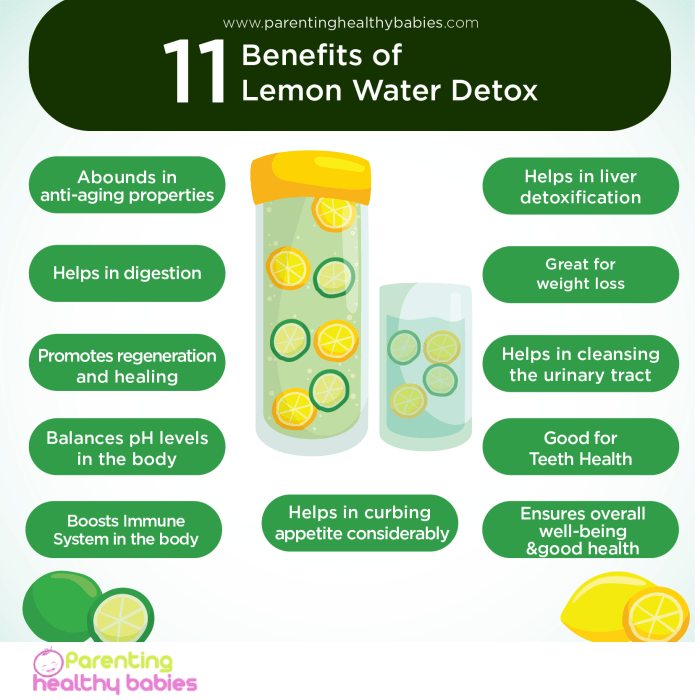
When it comes to dental health, toxins can have a significant impact on the overall well-being of your teeth and gums. Toxins from food, environmental pollutants, and even stress can contribute to various dental issues such as cavities, gum disease, and bad breath.
Maintaining Oral Hygiene During a Detox Diet
During a detox diet, it is crucial to maintain good oral hygiene to prevent toxin buildup in the mouth. Here are some tips to help you keep your teeth and gums healthy:
- Brush your teeth at least twice a day and floss regularly to remove food particles and plaque.
- Stay hydrated by drinking plenty of water to flush out toxins and keep your mouth moist.
- Avoid sugary and acidic foods that can erode tooth enamel and contribute to bacterial growth.
- Include foods rich in antioxidants and vitamins, such as fruits and vegetables, to support gum health.
Benefits of Detoxification for Dental Wellness
Detoxification can have numerous benefits for your dental health, including:
- Reducing inflammation in the gums and preventing gum disease.
- Eliminating toxins that can contribute to bad breath and oral infections.
- Supporting the body’s natural detox processes to promote overall oral health.
Connection Between Toxin Accumulation and Dental Problems
Toxins that accumulate in the body can also affect dental health by:
- Contributing to the formation of plaque and tartar, leading to cavities and gum disease.
- Weakening the immune system’s ability to fight off oral infections and inflammation.
- Causing dry mouth, which can increase the risk of tooth decay and gum issues.
Eye Health
Detox diets can play a significant role in promoting eye health and maintaining good vision. By eliminating toxins and providing essential nutrients, these diets can support the overall well-being of our eyes.
Antioxidants for Eye Health
Antioxidants are crucial in supporting eye health during detoxification. They help protect the eyes from oxidative stress and inflammation, which can lead to various eye conditions. Some antioxidants commonly found in detox diets include vitamin C, vitamin E, and beta-carotene.
These nutrients help combat free radicals and reduce the risk of age-related eye diseases like macular degeneration and cataracts.
Lifestyle Habits for Healthy Eyes
In addition to following a detox diet, incorporating certain lifestyle habits can further promote healthy eyes. Adequate hydration, regular eye exercises, and protecting the eyes from harmful UV rays are essential practices. Getting enough sleep and reducing screen time can also benefit eye health during a detox program.
Essential Nutrients for Good Vision
Detox diets rich in nutrients like omega-3 fatty acids, lutein, zeaxanthin, and zinc can help maintain good vision. Omega-3 fatty acids support the health of the retina, while lutein and zeaxanthin protect the eyes from harmful blue light. Zinc is crucial for proper functioning of the eyes and can be found in foods like nuts, seeds, and legumes.
Mental Clarity
Detox diets play a crucial role in promoting mental clarity by eliminating toxins that can negatively impact cognitive function and mental well-being. These toxins, accumulated from processed foods, environmental pollutants, and stress, can cloud the mind and hinder focus and productivity.
Relationship between Detox Diets and Mental Clarity
- Detox diets help remove harmful substances that may impair brain function.
- By cleansing the body, detox diets support clarity of thought and improved concentration.
- Reducing inflammation through detox can enhance mood stability and mental alertness.
Mindfulness Practices during Detox
- Practicing meditation and deep breathing can calm the mind and enhance mental clarity.
- Yoga and other mind-body exercises promote focus and reduce stress during detox programs.
- Engaging in journaling or gratitude practices can improve mental well-being and clarity.
Benefits of a Clear Mind
- Clear thinking leads to better decision-making and problem-solving skills.
- Enhanced mental clarity boosts creativity and innovation in various aspects of life.
- A clear mind supports overall health and vitality, contributing to increased productivity.
Joint Flexibility
Detox diets play a crucial role in improving joint flexibility and mobility by reducing inflammation and eliminating toxins that can contribute to joint pain and stiffness.
Role of Inflammation and Toxins
Inflammation and toxins in the body can lead to joint issues such as arthritis, stiffness, and pain. By following a detox diet, you can help reduce inflammation and eliminate toxins that may be contributing to these problems.
- Include anti-inflammatory foods such as leafy greens, berries, and fatty fish in your detox diet to help reduce inflammation in the joints.
- Avoid processed foods, sugar, and trans fats, which can contribute to inflammation and worsen joint health.
- Stay hydrated by drinking plenty of water to help flush out toxins and keep joints lubricated.
Exercises and Stretches
During a detox program, incorporating exercises and stretches that focus on improving joint flexibility can be beneficial.
- Try yoga poses such as Downward Dog, Child’s Pose, and Warrior II to stretch and strengthen the muscles around the joints.
- Incorporate low-impact exercises like swimming or cycling to improve joint mobility without placing too much stress on them.
- Perform gentle stretches for the major joints in the body, including the hips, knees, and shoulders, to maintain flexibility and prevent stiffness.
Dietary Recommendations
In addition to following a detox diet, there are specific dietary recommendations that can help promote joint health and flexibility.
- Include foods rich in omega-3 fatty acids, such as walnuts, chia seeds, and flaxseeds, to reduce inflammation and support joint health.
- Consume collagen-rich foods like bone broth, chicken, and fish to help maintain the integrity of the joints and improve flexibility.
- Avoid foods that may trigger inflammation, such as dairy, gluten, and nightshade vegetables, if you notice they worsen joint pain or stiffness.
Digestive Health
Detox diets play a crucial role in supporting digestive health by eliminating toxins that can hinder the proper function of the digestive system.
Impact of Toxins on the Digestive System
Toxins accumulated in the body can disrupt the balance of gut bacteria, leading to issues such as bloating, gas, constipation, and indigestion. These toxins can also damage the intestinal lining, causing inflammation and reducing nutrient absorption.
Dietary Guidelines for Gut Health during Detox
- Avoid processed foods and sugar, as they can negatively impact gut bacteria.
- Incorporate fiber-rich foods like fruits, vegetables, and whole grains to promote healthy digestion.
Benefits of a Clean Digestive System
A clean digestive system leads to improved nutrient absorption, better immune function, and increased energy levels. It also reduces the risk of gastrointestinal issues and promotes overall well-being.
Detox Process
Detoxification is a process that helps eliminate toxins from the body, promoting overall health and well-being. Understanding the stages of a detox process and the methods used can help individuals achieve successful results.
Stages of Detox Process
- Preparation: This stage involves planning and setting goals for the detox program. It is essential to consult a healthcare professional before starting to ensure safety and effectiveness.
- Detoxification: During this stage, the body eliminates toxins through various organs such as the liver, kidneys, and skin. This process may involve dietary changes, fasting, or specific detox protocols.
- Elimination: In this final stage, the body continues to rid itself of toxins through waste elimination. Staying hydrated and consuming nutrient-dense foods can support this process.
Common Methods in Detox Programs
- Juice Cleanses: Consuming freshly squeezed juices rich in vitamins and minerals to support the body’s detoxification pathways.
- Herbal Supplements: Using natural herbs and supplements to aid liver function and promote toxin elimination.
- Sauna Therapy: Sweating out toxins through heat therapy to cleanse the skin and improve circulation.
Tips for a Successful Detox Experience
- Stay Hydrated: Drinking plenty of water helps flush out toxins and supports the body’s detoxification processes.
- Get Adequate Rest: Giving your body time to rest and rejuvenate is crucial during a detox program to allow for healing and regeneration.
- Monitor Symptoms: Be aware of potential side effects such as headaches, fatigue, or digestive issues, and consult a healthcare provider if needed.
Importance of Hydration and Rest
- Hydration: Water plays a vital role in flushing out toxins and maintaining proper bodily functions. Adequate hydration supports kidney function and helps with waste elimination.
- Rest: Giving your body sufficient rest allows it to focus on detoxification and repair processes. Quality sleep is essential for overall health and well-being.
Blood Pressure
Detox diets can have a significant impact on blood pressure levels by helping to regulate and maintain healthy readings. The connection between toxin buildup and hypertension is well-established, as toxins can lead to inflammation and stress on the cardiovascular system.
Impact of Detox Diet on Blood Pressure
A detox diet rich in fruits, vegetables, whole grains, and lean proteins can help reduce high blood pressure by promoting weight loss, reducing inflammation, and improving overall heart health. These foods are high in potassium, magnesium, and fiber, which are essential for maintaining healthy blood pressure levels.
Additionally, detox diets often involve cutting back on processed foods, sugar, and salt, which can contribute to high blood pressure. By eliminating these harmful substances, the body can function more efficiently and blood pressure can be better regulated.
Dietary Recommendations for Regulating Blood Pressure
- Include plenty of leafy greens, berries, nuts, seeds, and fatty fish in your detox diet to support heart health and lower blood pressure.
- Avoid foods high in saturated fats, trans fats, and added sugars, as these can raise blood pressure and contribute to cardiovascular issues.
- Stay hydrated by drinking plenty of water and herbal teas to help flush out toxins and maintain healthy blood pressure levels.
Benefits of Maintaining Healthy Blood Pressure
- Reduced risk of heart disease, stroke, and other cardiovascular conditions.
- Improved circulation and oxygen delivery throughout the body.
- Enhanced overall health and well-being, leading to increased energy and vitality.
Heart Rate
Detox diets can have a significant impact on heart rate variability, which is a measure of the time interval between heartbeats. This variability is crucial for overall heart health and can be influenced by factors such as stress, diet, and exercise.
Relationship between Detox Diets and Heart Rate Variability
One of the key benefits of a detox diet is the reduction of inflammation in the body, which can help improve heart rate variability. By eliminating toxins and supporting the body’s natural detoxification processes, detox diets can promote a more regular and balanced heart rate.
- Consuming antioxidant-rich foods like berries, leafy greens, and nuts can help reduce oxidative stress and support cardiovascular health.
- Including omega-3 fatty acids from sources like fish, chia seeds, and flaxseeds can also help lower inflammation and improve heart rate variability.
- Staying hydrated and avoiding processed foods high in sugar and unhealthy fats can further support a healthy heart rate during a detox program.
Effects of Toxins on Heart Health
Toxins can negatively impact heart health and cardiovascular function by increasing inflammation, oxidative stress, and disrupting normal heart rhythms. These effects can lead to conditions like high blood pressure, arrhythmias, and heart disease if left unchecked.
- Chemicals found in processed foods, pollutants in the environment, and toxins from alcohol and tobacco can all contribute to heart health issues.
- Supporting the body’s detoxification pathways through a clean diet and lifestyle habits can help reduce the burden of toxins on the heart and improve overall cardiovascular function.
Lifestyle Habits for a Healthy Heart Rate
In addition to following a detox diet, certain lifestyle habits can further support a healthy heart rate. Regular exercise, stress management techniques like meditation or yoga, and adequate sleep are all important factors in maintaining optimal heart health during a detox program.
- Engaging in aerobic activities like running, cycling, or swimming can improve cardiovascular fitness and promote a balanced heart rate.
- Practicing deep breathing exercises or mindfulness can help reduce stress levels and support heart rate variability.
Nutrients for Cardiovascular Well-being
Certain nutrients play a key role in promoting cardiovascular health and can be incorporated into a detox diet to support heart rate variability and overall heart function.
- Coenzyme Q10 (CoQ10) is a powerful antioxidant that supports heart health by protecting against oxidative damage and improving energy production in heart cells.
- Magnesium is essential for maintaining normal heart rhythm and muscle function, making it a crucial nutrient for cardiovascular well-being.
- Plant-based sources of nitric oxide, such as beets and leafy greens, can help relax blood vessels and improve blood flow, which can positively impact heart rate and overall cardiovascular function.
Health Screenings
Regular health screenings play a crucial role in monitoring overall wellness and detecting early signs of health issues. These screenings are essential for individuals on a detox program as they contribute to preventive healthcare and allow for early intervention when necessary.
Importance of Regular Health Screenings, Benefits of a detox diet for cleansing toxins
Regular health screenings are vital for individuals to track their health status and detect any potential issues before they escalate. These screenings help in identifying risk factors, monitoring progress, and ensuring timely intervention to maintain overall wellness.
Role of Health Screenings in Early Detection
Health screenings are instrumental in detecting early signs of health problems such as high blood pressure, diabetes, cholesterol levels, and various cancers. Through these screenings, healthcare providers can identify issues at their initial stages, increasing the chances of successful treatment and management.
Common Health Screening Tests for Individuals on a Detox Program
Blood Pressure Monitoring
Regular checks to assess cardiovascular health.
Blood Tests
Evaluating cholesterol levels, blood sugar, and organ function.
Cancer Screenings
Mammograms, Pap smears, colonoscopies, and prostate exams.
Body Composition Analysis
Assessing muscle mass, fat percentage, and overall health.
Dental Check-ups
Monitoring oral health for any signs of infection or disease.
Contribution of Health Screenings to Preventive Healthcare
Health screenings are a proactive approach to preventive healthcare, allowing individuals to take charge of their well-being. By identifying potential health risks early on, individuals can make lifestyle changes, seek appropriate treatment, and prevent the progression of diseases. These screenings empower individuals to prioritize their health and overall quality of life.
Vaccination Programs
Vaccination programs play a crucial role in maintaining immunity and preventing the spread of infectious diseases. This is especially important during a detox program, where the body may be more vulnerable to illness due to the cleansing process.
Significance of Vaccinations in Detox Programs
Vaccinations are essential in preventing the contraction and spread of diseases, which is vital for individuals undergoing detoxification. By ensuring that you are up-to-date with your vaccinations, you are protecting yourself from potential infections that could derail your detox progress.
- Vaccinations help to boost the immune system, which may be weakened during detox.
- They provide an additional layer of protection against common diseases that can be easily transmitted.
- Recommended vaccinations for detox programs may include flu shots, tetanus boosters, and hepatitis vaccines.
- Staying up-to-date with vaccinations is crucial for overall health protection, especially when undergoing detoxification.
Healthy Habits
When it comes to complementing a detox diet for long-term wellness, incorporating key healthy habits into your daily routine is essential. These habits not only support the cleansing process but also contribute to overall health and vitality.
Establishing Routine Healthy Habits
- Aim for at least 30 minutes of physical activity each day, such as walking, jogging, or yoga. Exercise helps boost circulation, metabolism, and supports the elimination of toxins from the body.
- Stay hydrated by drinking plenty of water throughout the day. Proper hydration is crucial for flushing out toxins and maintaining optimal bodily functions.
- Include a variety of colorful fruits and vegetables in your meals to ensure a rich intake of vitamins, minerals, and antioxidants that support detoxification.
- Practice stress-reducing techniques like meditation, deep breathing, or mindfulness to support mental clarity and emotional well-being.
Benefits of Maintaining Healthy Habits
-
Consistent healthy habits lead to increased energy levels, improved mood, and better immune function.
- Healthy habits support weight management, reduce the risk of chronic diseases, and promote longevity.
- By establishing sustainable healthy routines, you create a foundation for long-term wellness and vitality.
Balanced Hormones
Detox diets play a crucial role in supporting hormonal balance within the body, which is essential for overall health and vitality. These diets help in eliminating toxins that can disrupt the normal functioning of hormones, leading to various health issues.
Impact of Toxins on Hormonal Health
Toxins from the environment, processed foods, and other sources can interfere with the endocrine system, affecting the production and regulation of hormones. This disruption can lead to imbalances in hormones such as cortisol, insulin, estrogen, and testosterone, resulting in symptoms like fatigue, weight gain, mood swings, and more.
Dietary Recommendations for Balanced Hormones
- Include plenty of fresh fruits and vegetables rich in antioxidants to support detoxification and hormone balance.
- Incorporate healthy fats like avocados, nuts, and seeds to aid in hormone production.
- Avoid processed foods, sugar, and caffeine that can disrupt hormonal function.
- Stay hydrated with water and herbal teas to flush out toxins and support overall hormone health.
Benefits of Hormonal Balance
Maintaining balanced hormones is essential for overall well-being and vitality. It can improve energy levels, mood stability, weight management, and cognitive function. Hormonal balance also supports reproductive health, bone density, muscle growth, and cardiovascular health.
Health Coaching
Health coaching plays a vital role in guiding individuals through a detox program by providing personalized support and guidance to help them achieve their health goals.
Role of Health Coaching
- Health coaches offer personalized guidance tailored to the individual’s needs and preferences.
- They help individuals set realistic health goals and create action plans to achieve them.
- Health coaches provide support, motivation, and accountability throughout the detox process.
Benefits of Working with a Health Coach
- Personalized support and guidance increase the likelihood of successful detox outcomes.
- Health coaches help individuals stay committed to their health goals and make sustainable lifestyle changes.
- Working with a health coach can enhance overall well-being and improve long-term health outcomes.
Health Coaching Strategies
- Setting SMART goals (Specific, Measurable, Achievable, Relevant, Time-bound) for effective goal setting.
- Encouraging and supporting behavior change through positive reinforcement and motivation.
- Using tools like food journals, progress trackers, and mindfulness exercises to enhance wellness outcomes.
Empowerment through Health Coaching
- Health coaching empowers individuals to take control of their health and make informed decisions about their well-being.
- Individuals gain a deeper understanding of their health status and develop skills to maintain a healthy lifestyle beyond the detox program.
- Health coaching fosters a sense of self-efficacy and confidence in individuals to overcome health challenges and achieve lasting wellness.
Fitness Goals
Embarking on a detox diet can significantly contribute to achieving your fitness goals by cleansing toxins from your body and enhancing overall well-being. Let’s explore how a detox diet aligns with fitness objectives and performance.
Nutrition for Optimal Workouts
Proper nutrition is essential for maximizing the benefits of your workout routine while on a detox program. By fueling your body with nutrient-dense foods, you can boost energy levels, improve endurance, and support muscle recovery.
Fitness Tips for Detoxification
- Stay hydrated: Drink plenty of water to flush out toxins and maintain hydration levels during exercise.
- Incorporate cardio and strength training: Combining cardiovascular exercises with strength training can help you burn fat, build muscle, and improve overall fitness.
- Practice yoga or Pilates: These low-impact exercises can enhance flexibility, balance, and core strength while promoting relaxation and stress reduction.
- Get enough rest: Adequate sleep is crucial for muscle recovery, hormone regulation, and overall performance. Aim for 7-9 hours of quality sleep each night.
Exercises to Enhance Fitness Levels
Pairing specific exercises with a detox diet can amplify the benefits of both practices. Consider incorporating the following workouts into your routine:
- High-intensity interval training (HIIT):HIIT workouts are effective for burning calories, boosting metabolism, and improving cardiovascular fitness.
- Circuit training:This form of exercise combines strength training with cardio intervals, providing a full-body workout that enhances muscle tone and endurance.
- Swimming:Swimming is a low-impact, full-body workout that engages multiple muscle groups, improves cardiovascular health, and enhances overall strength and stamina.
- Cycling:Whether outdoors or on a stationary bike, cycling is a fantastic way to build leg strength, increase cardiovascular fitness, and burn calories while enjoying the scenery.
Diet Planning
Planning a balanced diet is crucial for a successful detox program as it helps support the body’s natural detoxification processes and ensures overall well-being. Meal prepping and mindful eating play significant roles during detoxification by promoting healthy food choices and preventing impulsive decisions.
Here are some dietary guidelines for creating nutritious and detox-friendly meal plans to achieve optimal health outcomes.
Importance of Meal Prepping and Mindful Eating
- Meal prepping allows you to have healthy meals readily available, reducing the temptation to opt for processed or unhealthy foods.
- Mindful eating involves paying attention to the taste, texture, and aroma of food, which can enhance satisfaction and prevent overeating.
- Both practices promote a more conscious approach to food consumption, leading to better digestion and nutrient absorption.
Dietary Guidelines for Detox-Friendly Meal Plans
- Include a variety of fruits, vegetables, whole grains, lean proteins, and healthy fats to ensure a well-rounded nutrient intake.
- Avoid processed foods, sugary beverages, and excessive salt to minimize toxin exposure and support detoxification.
- Stay hydrated by drinking plenty of water and herbal teas to flush out toxins and maintain optimal body functions.
- Incorporate herbs and spices such as turmeric, ginger, and garlic known for their detoxifying and anti-inflammatory properties.
Role of Diet Planning in Achieving Optimal Health Outcomes
- Diet planning ensures that your body receives essential nutrients needed for detoxification, metabolism, and overall health.
- A balanced diet supports immune function, energy levels, and mental clarity, contributing to a sense of well-being during and after a detox program.
- By following a well-thought-out meal plan, you can maintain stable blood sugar levels, promote healthy weight management, and reduce the risk of chronic diseases.
Health Supplements
When embarking on a detox diet to cleanse toxins from your body, incorporating health supplements can significantly enhance the effectiveness of the process.
Benefits of Incorporating Supplements
Adding supplements to support detoxification can aid in replenishing essential nutrients, boosting energy levels, strengthening the immune system, and promoting overall well-being.
- Support Liver Function: Milk thistle is a key supplement that can help protect and detoxify the liver, a vital organ in the detox process.
- Enhance Gut Health: Probiotics are beneficial in maintaining a healthy gut flora, which is crucial for proper digestion and toxin elimination.
- Boost Antioxidant Levels: Vitamin C and E supplements can increase antioxidant levels, helping to combat free radicals and reduce oxidative stress.
- Improve Nutrient Absorption: Magnesium and zinc supplements can aid in nutrient absorption, ensuring the body receives essential vitamins and minerals during detox.
Consulting a Healthcare Provider
Before incorporating any health supplements into your detox program, it is essential to consult a healthcare provider or nutritionist. They can provide personalized recommendations based on your health status, potential deficiencies, and specific detox goals.
Breathing Techniques
Breathing techniques play a crucial role in promoting relaxation and detoxification. The way we breathe can impact our stress levels, overall well-being, and even assist in eliminating toxins from our body.
Mindful Breathing Exercises
- Practice diaphragmatic breathing by focusing on deep belly breaths. Inhale slowly through your nose, allowing your abdomen to expand, then exhale fully through your mouth, contracting your diaphragm.
- Engage in box breathing, a technique where you inhale for a count of four, hold for four, exhale for four, and then hold for four again. Repeat this pattern several times to calm the mind and body.
- Try alternate nostril breathing to balance the right and left hemispheres of the brain. Use your thumb and ring finger to close off one nostril at a time while breathing deeply through the other nostril.
Benefits of Deep Breathing
- Deep breathing helps oxygenate the body, which is essential for detoxification processes and overall health.
- It aids in releasing toxins from the lungs and improving the body’s ability to expel waste through respiration.
- Deep breathing can reduce stress, lower blood pressure, and increase feelings of relaxation and mental clarity.
Incorporating Breathwork for Well-being
- Regular practice of deep breathing exercises can enhance overall well-being by promoting relaxation and reducing anxiety levels.
- By incorporating breathwork into your daily routine, you can improve focus, concentration, and emotional balance.
- Breathwork can serve as a tool for managing stress, enhancing mindfulness, and supporting the body’s natural detoxification processes.
Disease Prevention
Detox diets play a crucial role in disease prevention by helping to cleanse toxins from the body and support the immune system. By eliminating harmful substances and promoting overall wellness, detox programs can reduce the risk of various illnesses.
Impact of Toxin Buildup on Susceptibility to Illnesses
- Accumulation of toxins in the body can weaken the immune system, making individuals more vulnerable to infections and diseases.
- Toxins can disrupt the body’s natural processes, leading to inflammation, hormonal imbalances, and oxidative stress, all of which contribute to disease development.
- Regular detoxification through diet and lifestyle changes can help prevent toxin buildup and maintain optimal health.
Lifestyle Habits and Dietary Choices for Disease Prevention during Detox Programs
- Engaging in regular physical activity, getting an adequate amount of sleep, and managing stress levels are essential lifestyle habits that support overall health and disease prevention.
- Incorporating nutrient-rich foods such as fruits, vegetables, whole grains, and lean proteins into the diet can provide essential vitamins and minerals that support the immune system and promote detoxification.
- Avoiding processed foods, sugary beverages, and excessive alcohol consumption can help reduce toxin exposure and support the body’s natural detoxification processes.
Importance of Holistic Approaches to Disease Prevention through Detoxification
- Adopting a holistic approach to disease prevention involves addressing not only physical health but also mental, emotional, and spiritual well-being.
- Detox programs that focus on overall wellness can help individuals achieve balance in all aspects of their lives, leading to better health outcomes and reduced risk of chronic diseases.
- By promoting detoxification through healthy habits, balanced nutrition, and stress management techniques, individuals can enhance their body’s natural defenses and support long-term disease prevention.
Pain Management
Detox diets play a crucial role in managing pain and reducing inflammation in the body. By eliminating toxins and promoting overall health, detox programs can have a significant impact on chronic pain conditions.
Influence of Detox Diet on Pain Management
- Detox diets help reduce inflammation in the body, which is often a key contributor to chronic pain conditions such as arthritis, fibromyalgia, and migraines.
- Eliminating processed foods, sugars, and other inflammatory triggers from the diet can help alleviate pain symptoms and improve overall well-being.
- By supporting the body’s natural detoxification processes, these diets can help reduce oxidative stress and free radical damage, which are known to exacerbate pain and inflammation.
Connection between Toxins and Chronic Pain
- Toxins accumulated in the body from environmental sources, medications, and poor dietary choices can contribute to chronic pain conditions by triggering inflammation and disrupting normal physiological functions.
- By detoxifying the body and eliminating these harmful substances, individuals can experience relief from pain and reduce the risk of developing long-term pain conditions.
- A detox diet can also improve the body’s ability to absorb nutrients and support the repair and regeneration of tissues, promoting faster recovery from injuries and reducing pain symptoms.
Natural Pain Management Strategies
- Incorporating anti-inflammatory foods such as turmeric, ginger, and leafy greens into the diet can help reduce pain and inflammation naturally.
- Regular exercise, stress management techniques, and adequate sleep are essential components of pain management that can complement the effects of a detox program.
- Herbal remedies such as boswellia, devil’s claw, and white willow bark have been used for centuries to alleviate pain and support overall health without harmful side effects.
Benefits of Reducing Pain through Detoxification
- Reducing pain through detoxification can lead to improved quality of life, increased mobility, and enhanced overall well-being.
- By addressing the root causes of pain and inflammation, individuals can experience long-lasting relief and reduce their dependence on pain medications.
- Detox programs that focus on pain management can empower individuals to take control of their health and make sustainable lifestyle changes for lasting pain relief.
Holistic Treatments
Holistic treatments focus on treating the whole person, including mind, body, and spirit, to promote overall health and wellness. These treatments aim to address the root causes of health issues rather than just the symptoms, emphasizing the interconnectedness of different aspects of health.
Principles of Holistic Treatments
Holistic treatments follow the principle that the body has the innate ability to heal itself when given the right support. By incorporating natural therapies, such as acupuncture, massage therapy, chiropractic care, and meditation, holistic treatments aim to restore balance and harmony to the body, facilitating detoxification and healing processes.
Integrative Approach of Holistic Therapies
- Combining conventional and alternative therapies
- Focusing on prevention and lifestyle modifications
- Individualized treatment plans based on the unique needs of each person
- Emphasis on patient education and empowerment
Examples of Holistic Treatments
- Herbal remedies and supplements to support detoxification
- Yoga and tai chi for stress reduction and improved circulation
- Acupuncture for rebalancing energy flow in the body
- Aromatherapy for relaxation and emotional well-being
Role of Mind-Body-Spirit Balance
Holistic detoxification practices recognize the interconnectedness of mind, body, and spirit in achieving optimal health. By addressing emotional and spiritual aspects in addition to physical health, holistic treatments aim to create a harmonious balance that supports the body’s natural detox processes.
Mental Resilience
Detox diets not only benefit the body physically but also play a crucial role in enhancing mental resilience and emotional well-being. The impact of toxins on mental health and stress levels can be significant, affecting mood, cognition, and overall psychological well-being.
By following a detox program, individuals can work towards eliminating these toxins, thereby improving their mental resilience and ability to cope with daily stressors.
Resilience-building Techniques
- Engage in mindfulness practices such as meditation and yoga to reduce stress and improve mental clarity.
- Stay physically active through regular exercise, which can boost mood and enhance resilience.
- Practice deep breathing techniques to calm the mind and reduce anxiety levels.
- Seek social support from friends, family, or a therapist to process emotions and build resilience.
Benefits of Developing Mental Resilience
- Improved coping mechanisms: Developing mental resilience enables individuals to navigate challenges effectively and bounce back from setbacks.
- Enhanced well-being: By strengthening mental resilience, individuals can experience greater emotional stability and overall well-being.
- Better stress management: Mental resilience equips individuals with the tools to manage stress effectively and prevent it from overwhelming them.
- Increased adaptability: Resilient individuals can adapt to changes and uncertainties more easily, fostering a sense of flexibility and resourcefulness.
Summary
As we wrap up our exploration of the benefits of a detox diet for cleansing toxins, it’s evident that these diets offer a holistic approach to wellness. By incorporating detox strategies into our routines, we pave the way for a healthier, revitalized version of ourselves.
FAQ Explained: Benefits Of A Detox Diet For Cleansing Toxins
How long should I follow a detox diet?
It’s recommended to follow a detox diet for a short period, typically ranging from a few days to a few weeks. Consult a healthcare provider for personalized guidance.
Can anyone do a detox diet?
While most people can safely try a detox diet, individuals with certain health conditions or dietary restrictions should consult a healthcare provider before starting.
Are there any potential side effects of a detox diet?
Some people may experience mild side effects like fatigue or headaches during a detox diet. It’s essential to listen to your body and make adjustments as needed.
Can I exercise while on a detox diet?
Light to moderate exercise is usually safe during a detox program. However, listen to your body and avoid intense workouts that may strain your system.


